

For decades, companies designed supply chains around one primary question: Where can we produce most efficiently? That calculation is changing. Geopolitical tensions, export restrictions, tariffs, critical-mineral dependencies and disruptions to major trade routes are forcing businesses to consider another question: Can we still depend on this supply chain when the world changes suddenly? This is […]
Author Archives: Mr. Sunil Bajaj
Blog, Resources
India Is Targeting a $5 Trillion Economy by FY29. The Harder Question Is What Gets Us There.
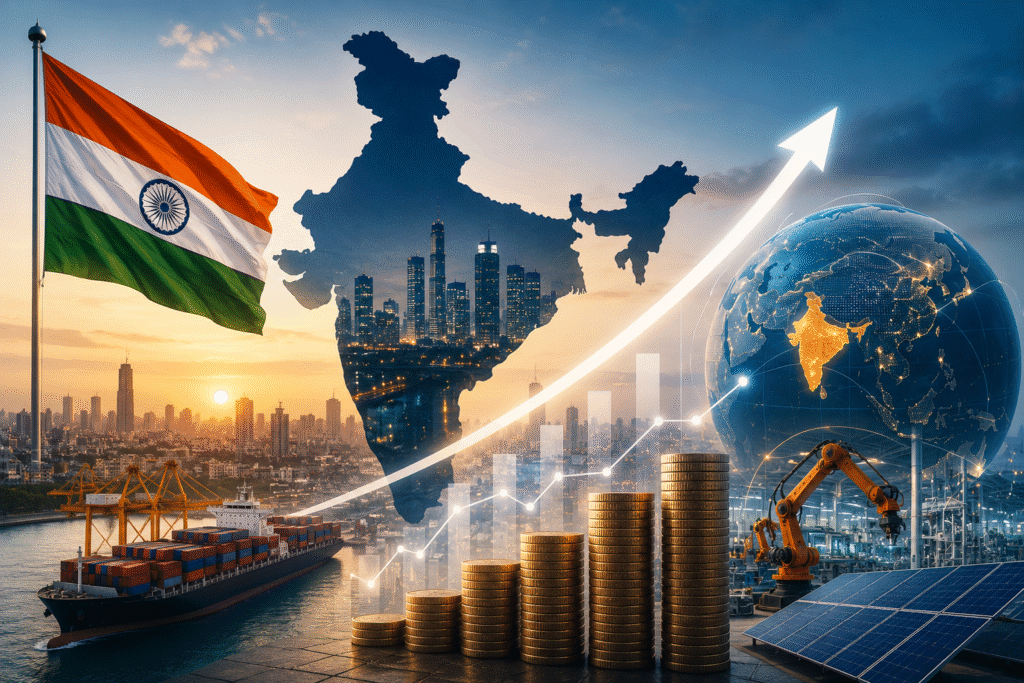
India’s $5 trillion economy ambition has been around for several years. What has changed is the timeline and, more importantly, the economic environment in which India now has to achieve it. The latest projections put India on track to reach the $5 trillion mark around FY2028-29, with the delay from earlier expectations reflecting factors including […]
Blog, Resources
India’s Manufacturing Growth Has Hit a Five-Year Low. Is This a Warning or a Temporary Pause?
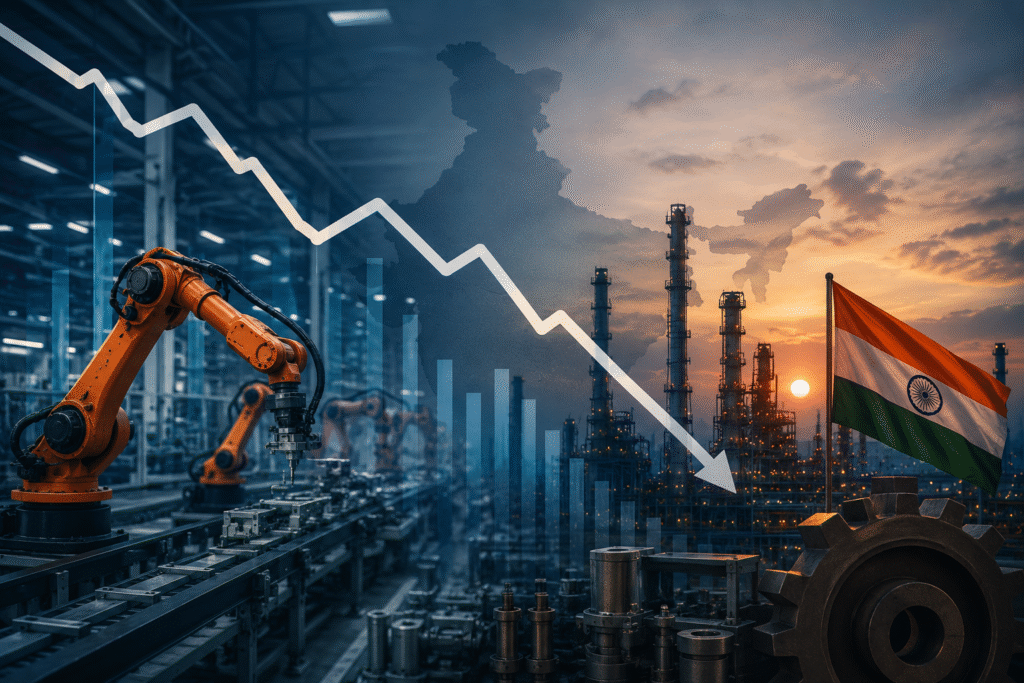
India’s manufacturing story is entering a more demanding phase. The latest manufacturing PMI has fallen to its weakest level in nearly five years, pointing to softer demand and slower hiring across factories. It is an important signal, particularly after several years in which manufacturing has been one of the central pillars of India’s economic ambitions. […]
Blog, Resources
DRDO conducted a 1,200-second continuous test of a scramjet engine at its Hyderabad laboratory

A 20-minute engine test does not usually attract much attention outside technical circles. But DRDO’s recent 1,200-second scramjet test stayed with me for a different reason. Not because I understand every technical detail behind a scramjet engine. I don’t. What caught my attention was a simple thought: countries do not wake up one morning and […]
Blog, Resources
As France Chairs G7 And India Chairs BRICS, Is 2026 The Year India Bridges East And West?

For many businesses, geopolitical developments rarely make it into quarterly reviews. Interest rates do. Consumer demand does. Commodity prices certainly do. Yet increasingly, all three are being shaped by geopolitics. That is one reason why 2026 could turn out to be a more consequential year than many expect. India will assume the BRICS presidency next […]

Not very long ago, energy was discussed largely in operational terms. Businesses worried about procurement costs. Governments worried about supply continuity. Beyond that, energy rarely entered mainstream economic thinking unless prices spiked dramatically. That is no longer the case. The importance of energy in the economy in 2026 is more extensive than we can think. […]
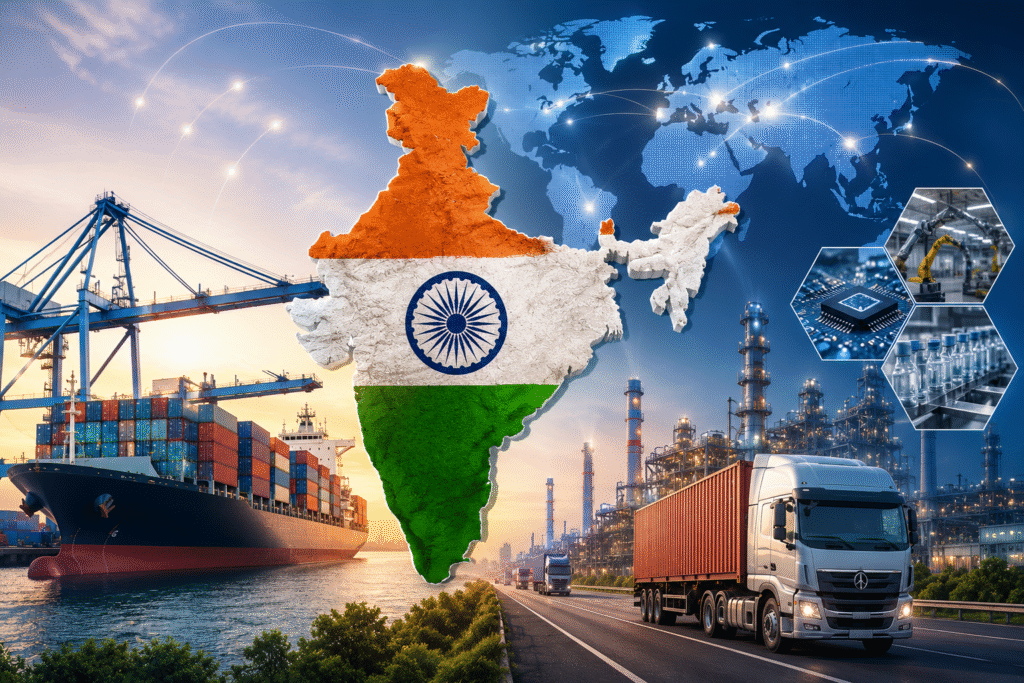
For years, global supply chains were built around a fairly simple assumption: efficiency would outweigh almost everything else. If we take manufacturing to a faster, cheaper, and scalable pace, production would naturally be concentrated in a few geographic locations. This would have been very effective in the past. However, I believe 2026 marks a subtle […]
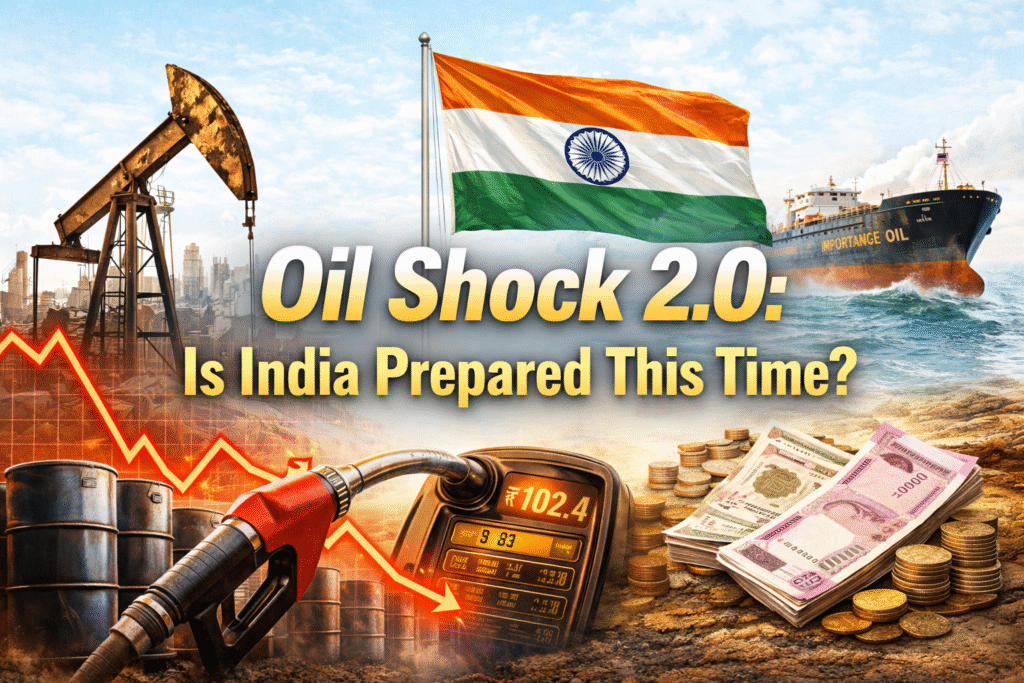
The oil market has started to feel unsettled again. Not sharply, but enough to get attention. Prices are moving in a way that suggests underlying strain, and supply discussions have become more careful in tone. For India, this brings back a familiar line of thought. We have seen this play out before. The difference now […]
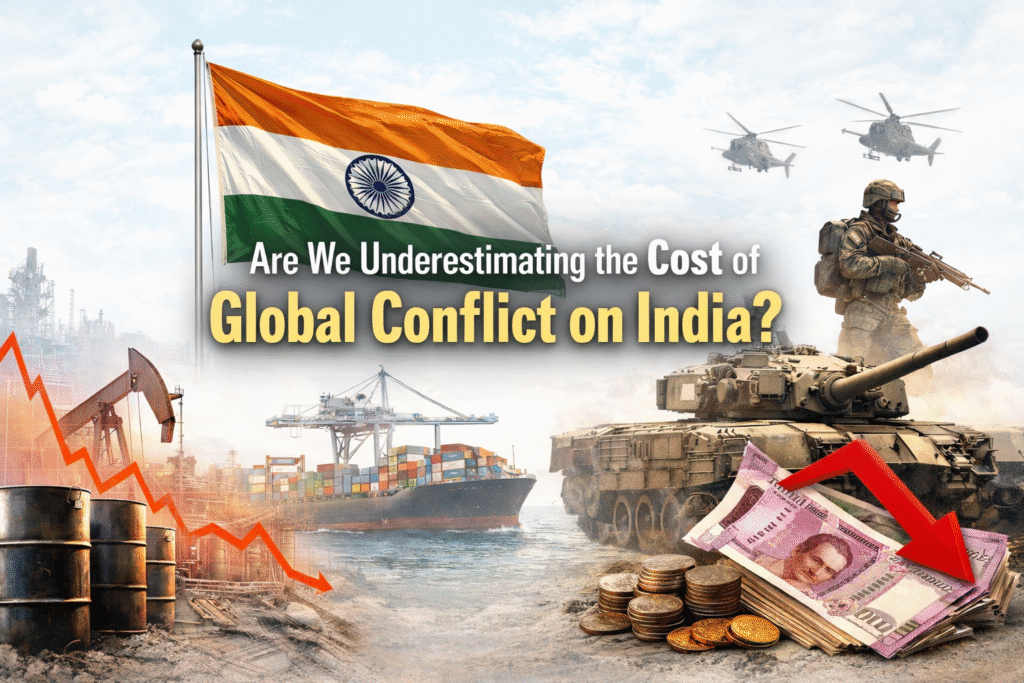
There is a tendency, particularly in emerging economies like India, to view global conflict as something that sits outside the core economic model. We acknowledge it in passing, factor it into risk reports, and then return to more controllable variables such as domestic demand, policy levers, and sectoral growth. But that separation is becoming increasingly […]

Take a moment to think about what’s going on globally right now. There’s a feeling of uncertainty in the air. The rate of growth is less predictable, capital is being deployed cautiously, and even small events in the world seem to have wider ripple effects. In that context, what’s remarkable about India is not only […]